A professional overview of residential construction in South Africa, covering design, compliance, materials, and sustainable project management for developers and contractors.
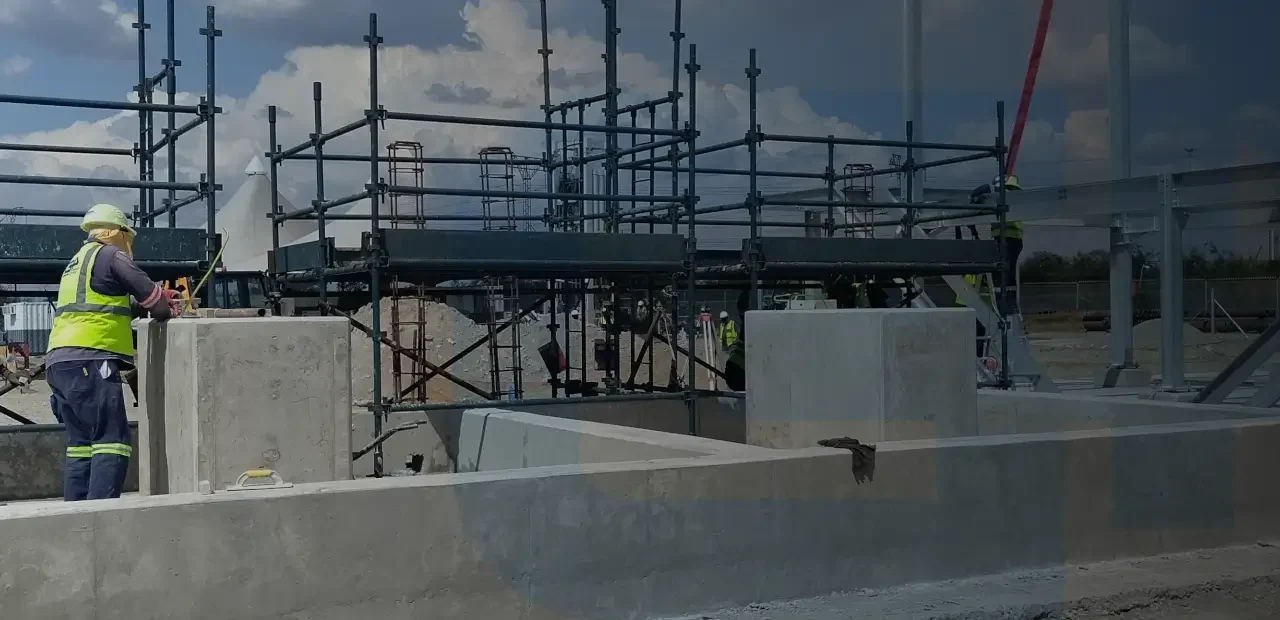
Reinforced concrete construction forms the foundation of modern infrastructure, combining the strength of concrete and steel to create durable, load-bearing structures. This article explores the full construction process — from design and reinforcement to pouring, curing, and quality control, while highlighting key techniques, innovations, and South African standards that ensure long-term performance and safety.
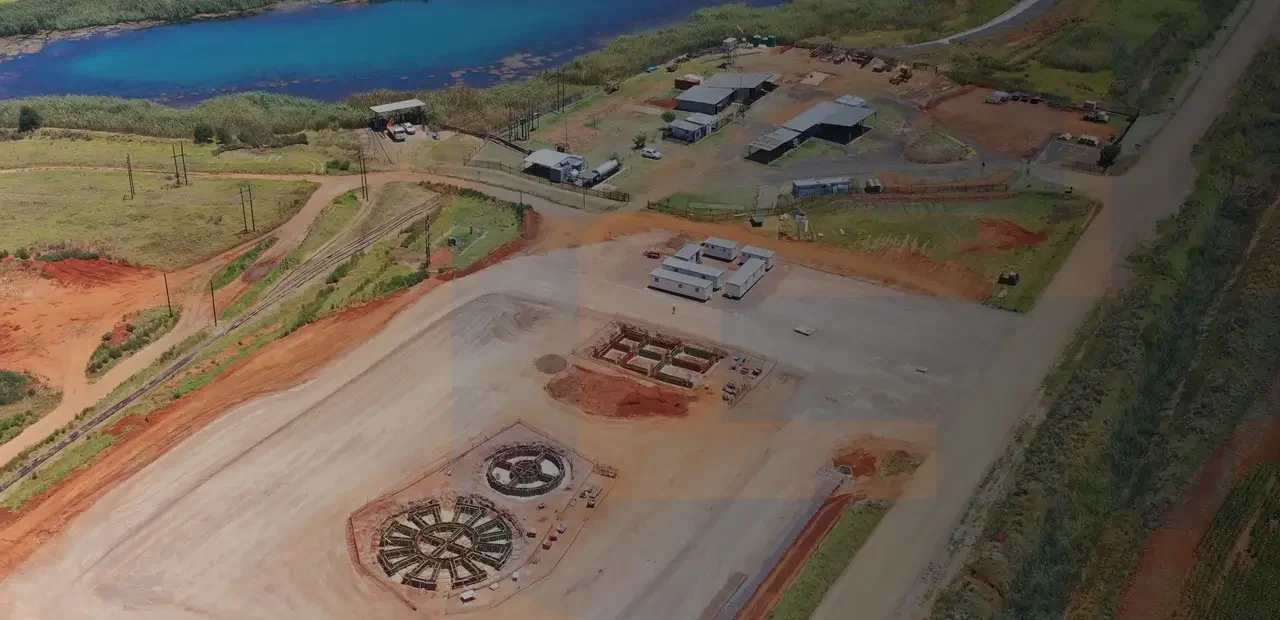
Bulkwater infrastructure construction refers to the large-scale projects that capture, treat, and transport water in bulk before it reaches end-users. In South Africa, this infrastructure underpins mining, agriculture, and municipal supply, ensuring reliable water delivery, compliance with environmental standards, and resilience against droughts.
The thermal properties of reinforced concrete play a vital role in how structures perform under heat, cold, and daily temperature swings. From thermal conductivity and expansion to fire behaviour and freeze–thaw resistance, these factors influence design decisions, durability, and energy efficiency. Understanding them helps engineers and builders create safer, longer-lasting, and more sustainable structures.
Reinforced concrete isn’t invincible, but it can be incredibly durable when designed, constructed, and maintained properly. This article explores the key factors affecting the longevity of reinforced concrete structures, common deterioration mechanisms, and how to build for long-term resilience and sustainability.
Sustainable reinforced concrete construction is reshaping the future of building. Discover how low-carbon materials, efficient design, innovative tech, and green certifications can reduce environmental impact while improving long-term performance and lifecycle value.
This comprehensive guide to the maintenance and inspection of reinforced concrete structures covers everything from common causes of deterioration to advanced testing methods, repair strategies, and long-term maintenance planning—ensuring durability, safety, and structural integrity.
Waterproofing Reinforced Concrete Structures is critical to preventing water damage, corrosion, and costly repairs. This guide explores why waterproofing is necessary, the main types of solutions available like integral systems, membranes, and crystalline technology and how to protect joints, penetrations, basements, and more.
When choosing a construction material, factors like durability, cost, and energy efficiency play a crucial role. Concrete remains a top choice due to its strength and resilience, but how does it compare to other materials like wood, steel, and brick? This comprehensive guide explores the advantages, disadvantages, and best applications of concrete versus other common construction materials.
Concrete is strong and durable, but poor construction practices, environmental factors, and material issues can lead to serious problems. From cracks and spalling to discoloration and efflorescence, understanding these common concrete issues and their solutions is crucial. In this guide, we break down the top 12 concrete problems, their causes, and the best ways to prevent and fix them. Whether you're a contractor, builder, or property owner, this resource will help you ensure long-lasting, high-quality concrete structures.