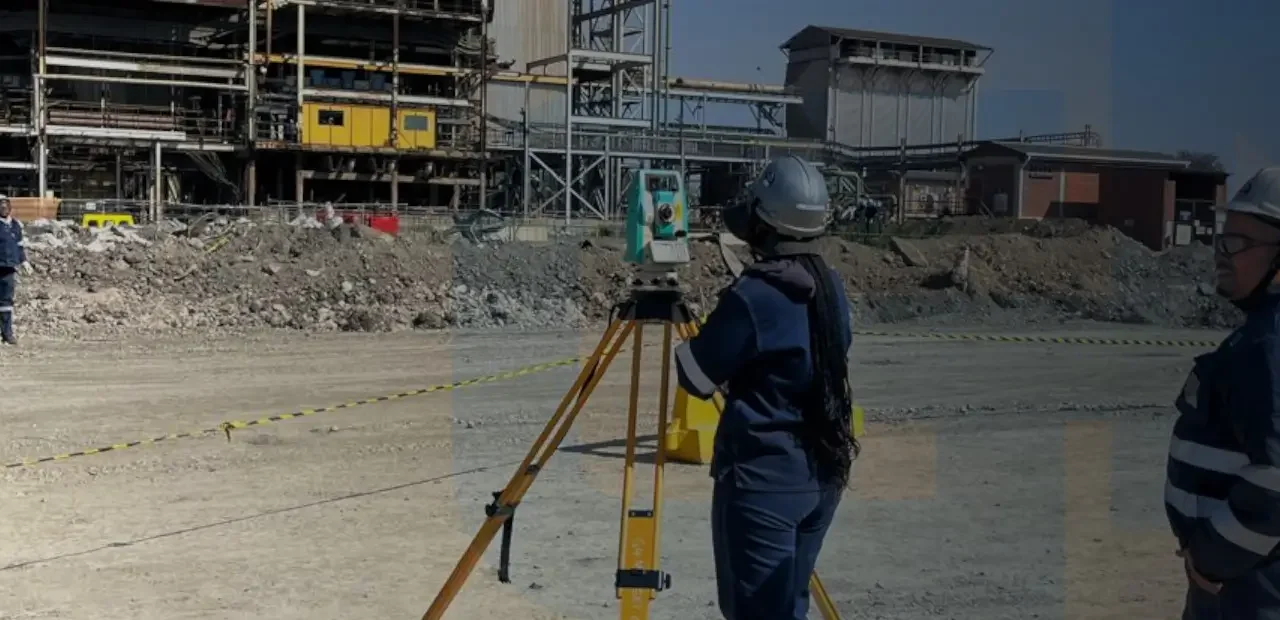
From site investigations and feasibility assessments to design, budgeting and risk management, here's how civil engineering projects are planned.

From site investigations and feasibility assessments to design, budgeting and risk management, here's how civil engineering projects are planned.
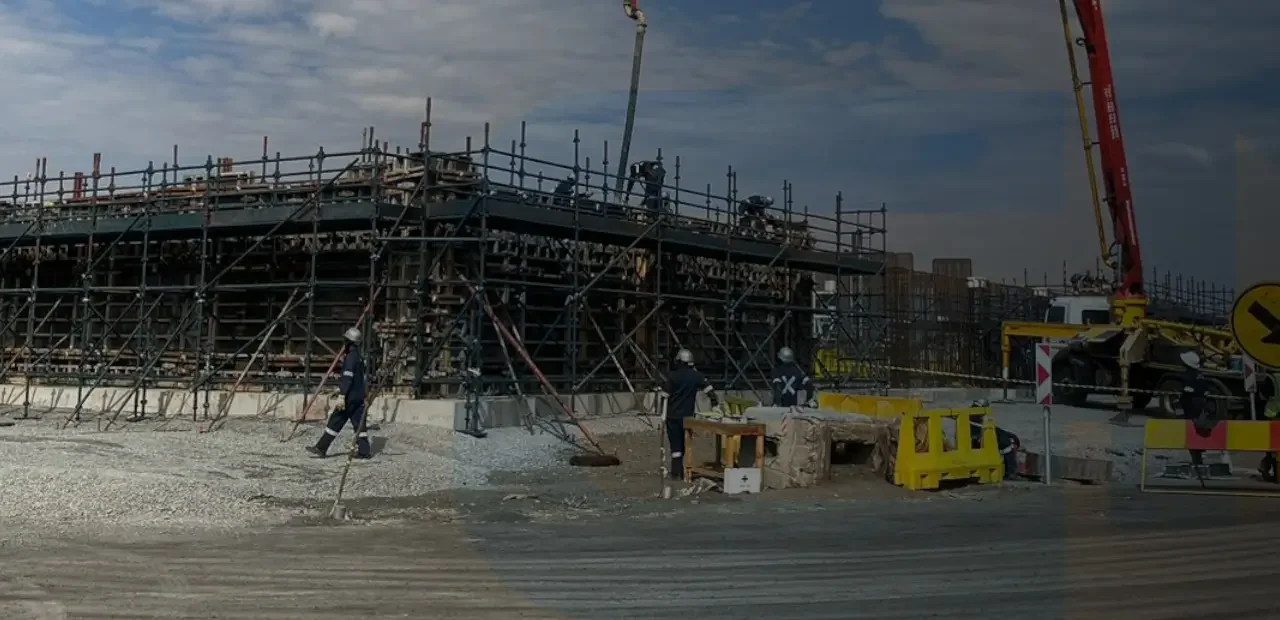
A civil engineering project involves far more than designing infrastructure and bringing it to life on site. Before construction begins, there are important decisions to make about feasibility, ground conditions, costs, technical requirements and the most practical way forward. So how does an initial idea become a completed road, drainage system or major infrastructure development? We break down the nine key stages of a civil engineering project, from identifying the need and investigating the site through to construction, handover and long-term maintenance. Along the way, we explain what happens at each stage, who is involved and why the process isn't always as straightforward as it might appear.
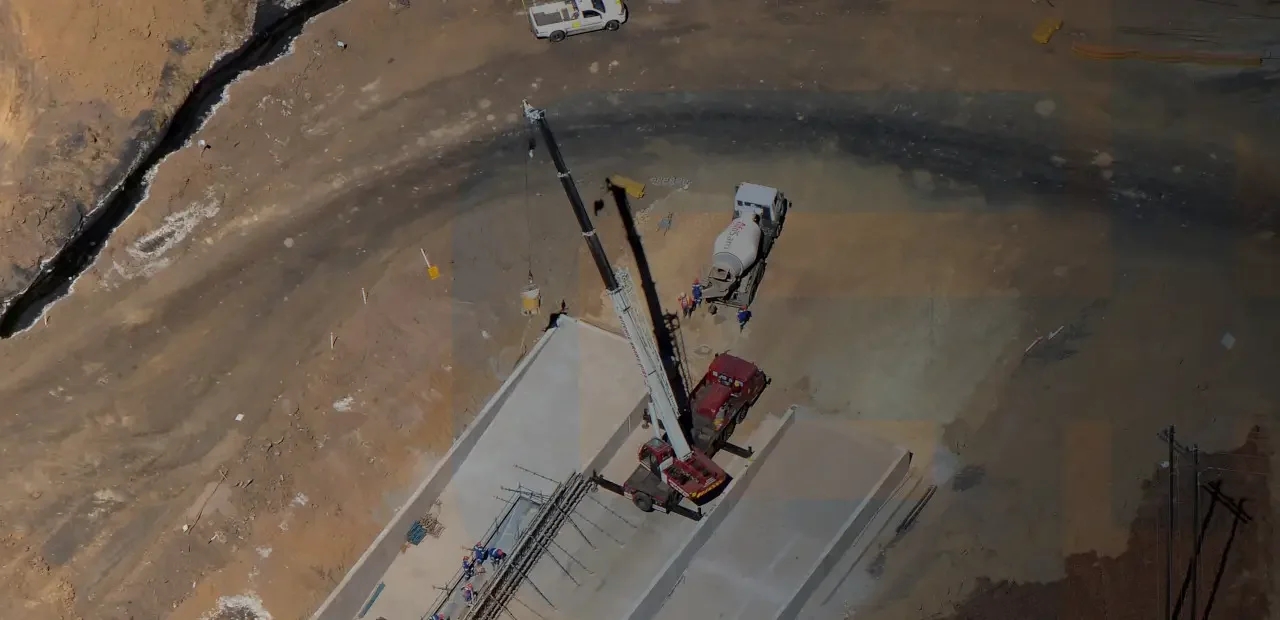
Even the most carefully planned infrastructure projects can face unexpected obstacles. Unstable ground conditions, difficult site access, rising costs and construction delays can quickly turn straightforward work into a complex engineering challenge. But what happens when things don't go according to plan? We look at the difficulties engineers regularly encounter, why they arise and the practical decisions that help keep projects moving without compromising safety or quality.
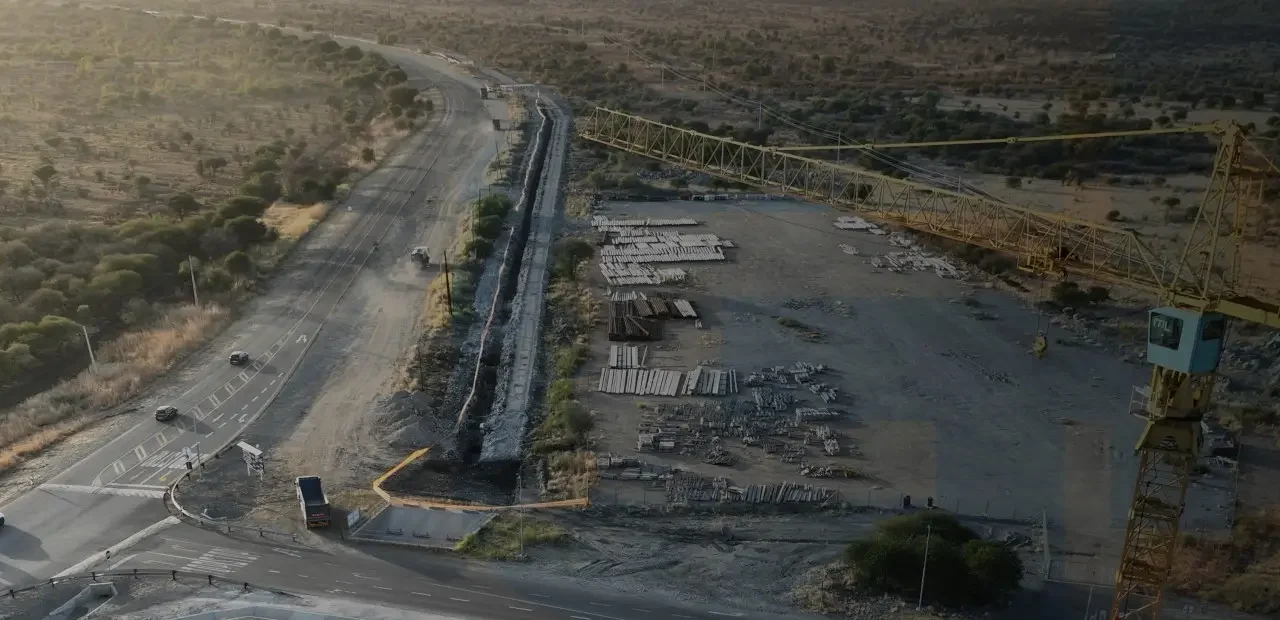
From roads and water systems to major mining infrastructure, civil engineering covers far more than most people realise. Here’s how the different disciplines and stages of a project come together.
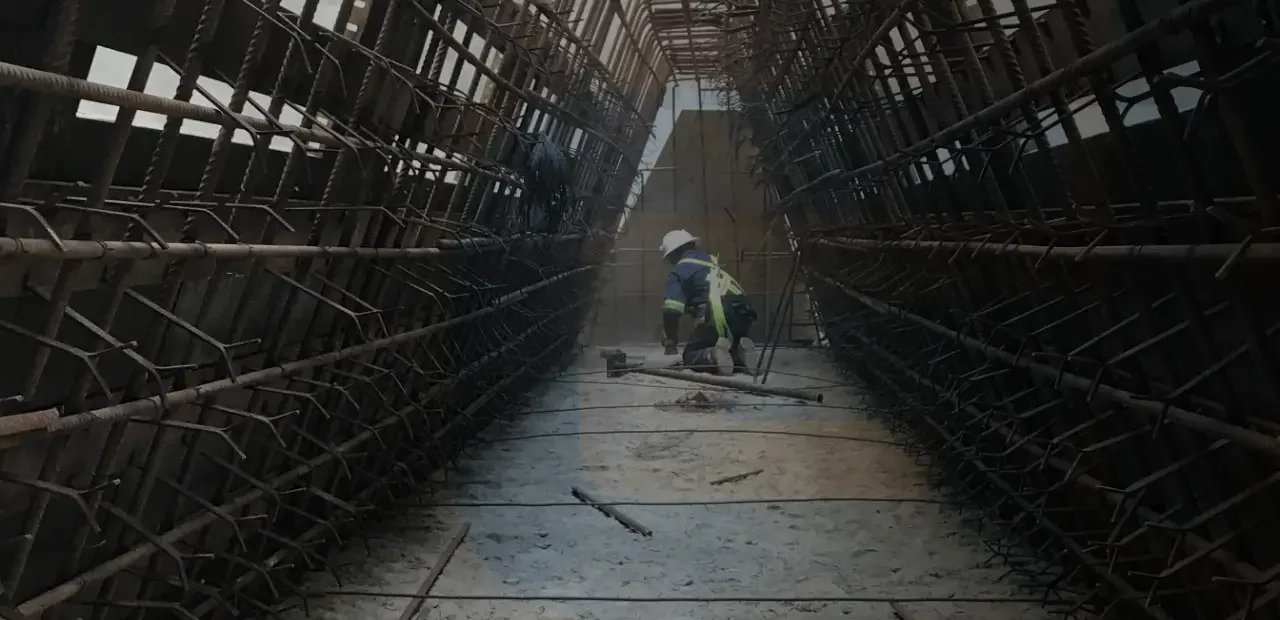
Civil engineering covers far more than roads and structures. We break down the main disciplines, what each one does and how they come together on complex infrastructure projects.

Civil and structural engineering often work side by side, but they focus on different aspects of a project. See how their roles differ, where they overlap and how both contribute to successful infrastructure.
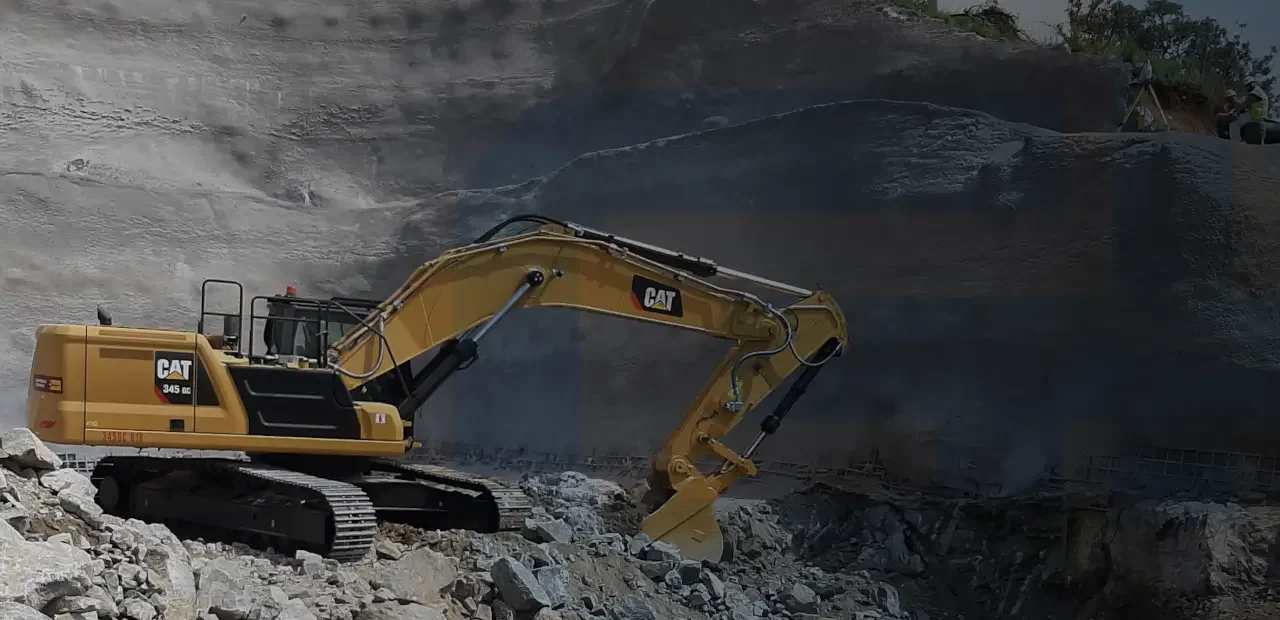
Civil and geotechnical engineers often work on the same projects, but their roles are different. Here’s how they compare, where they overlap and why both matter.
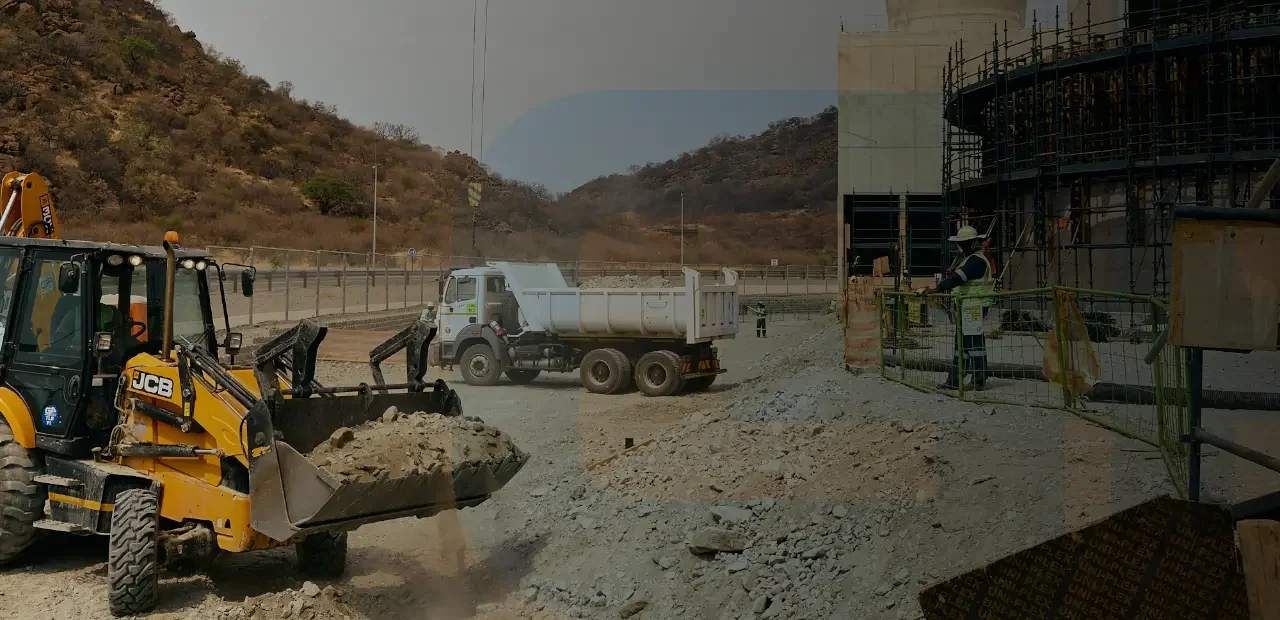
Civil engineering and construction are closely connected, but they play different roles. See how their responsibilities differ, where they overlap and why both are essential to successful infrastructure projects.
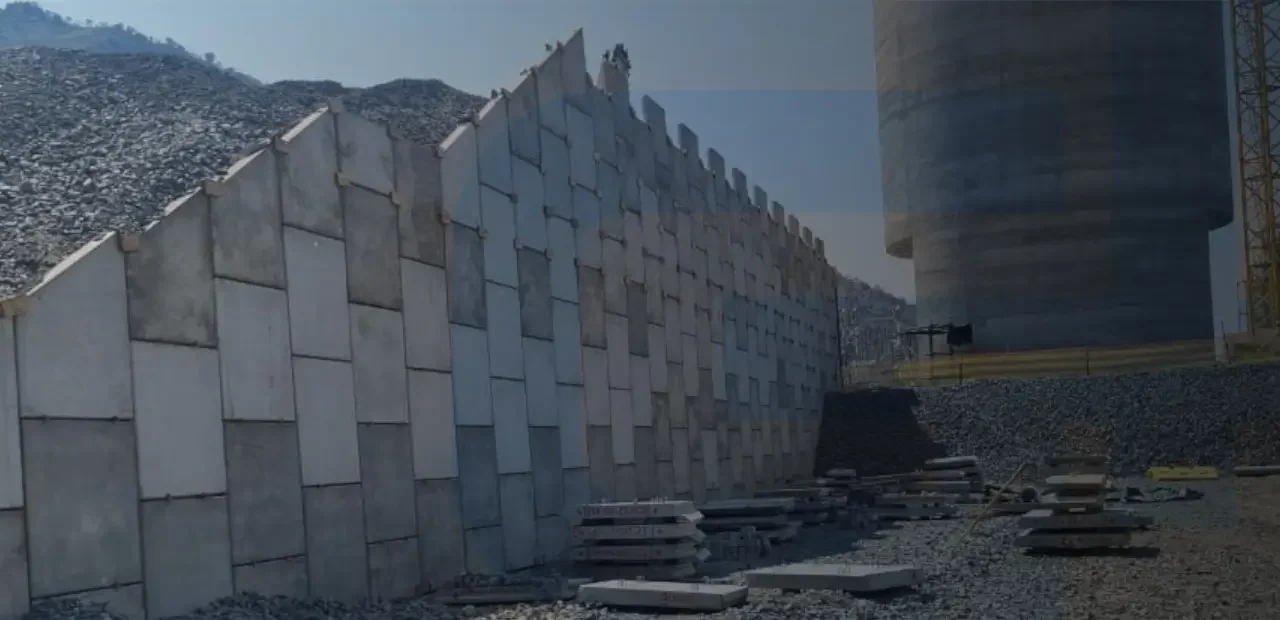
Geotechnical engineering plays a vital role across mining, civil, industrial and infrastructure projects. Learn how understanding ground conditions helps engineers design safer foundations, manage risk and deliver reliable, long-lasting infrastructure.
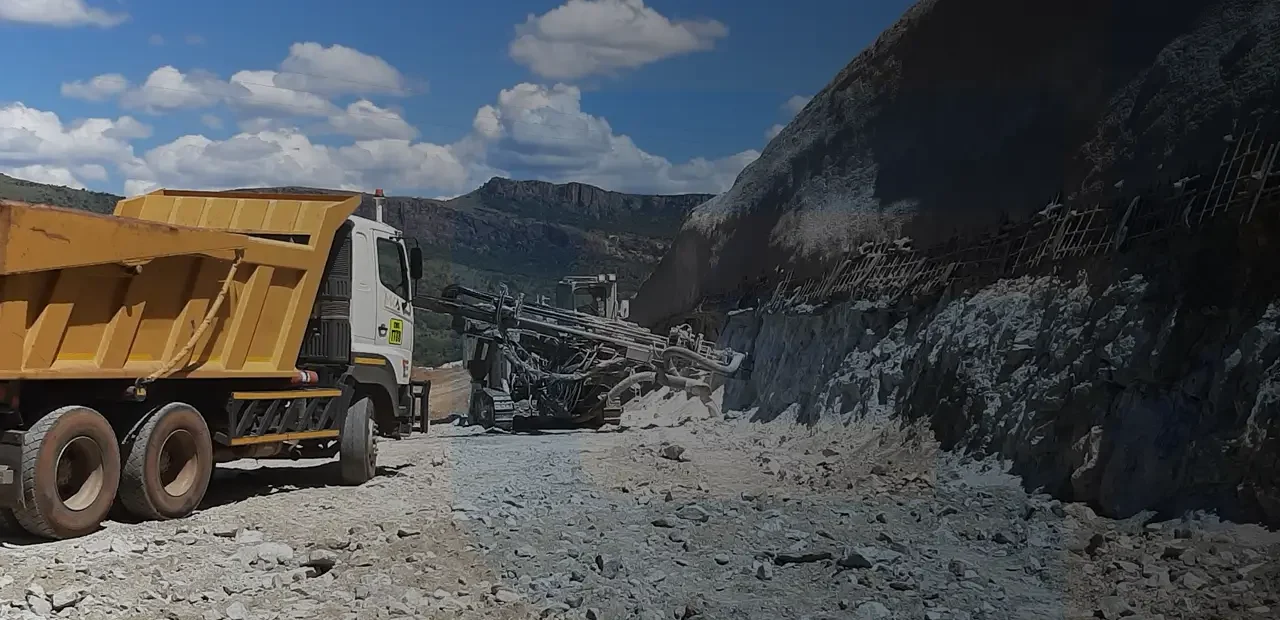
Every successful construction project starts with understanding the ground beneath it. Learn why soil conditions influence foundations, earthworks, stability and long-term project performance, and how early geotechnical investigations help reduce risk and avoid costly problems.
