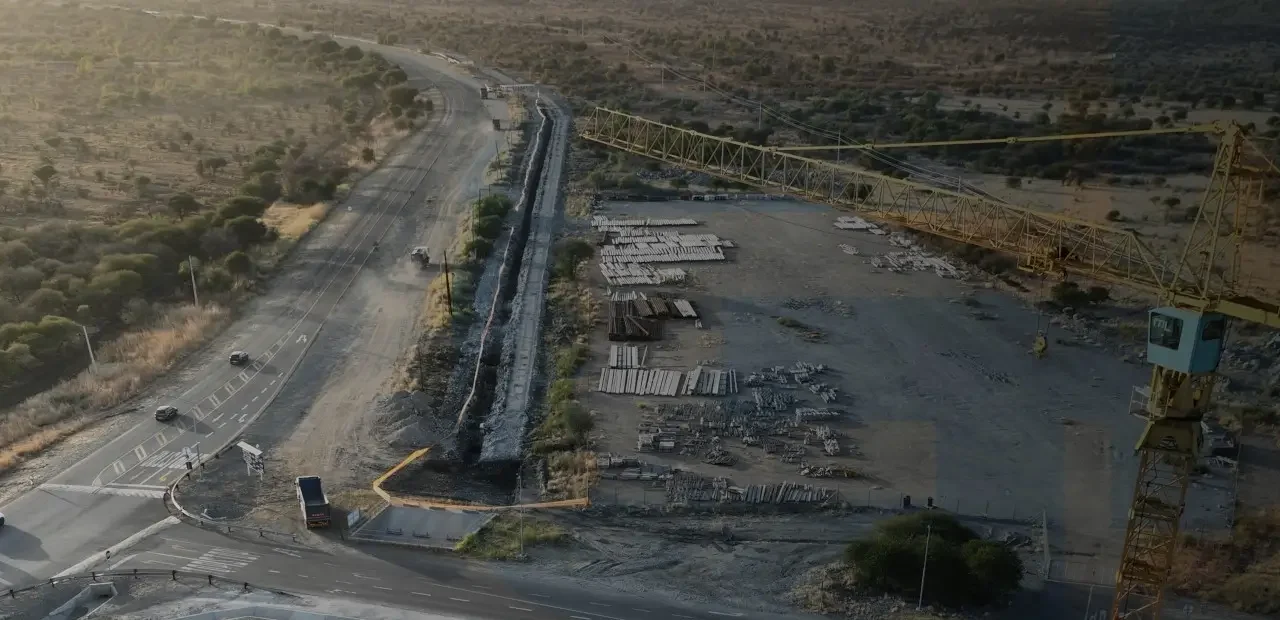
Civil engineering and construction are closely connected, but they play different roles. See how their responsibilities differ, where they overlap and why both are essential to successful infrastructure projects.
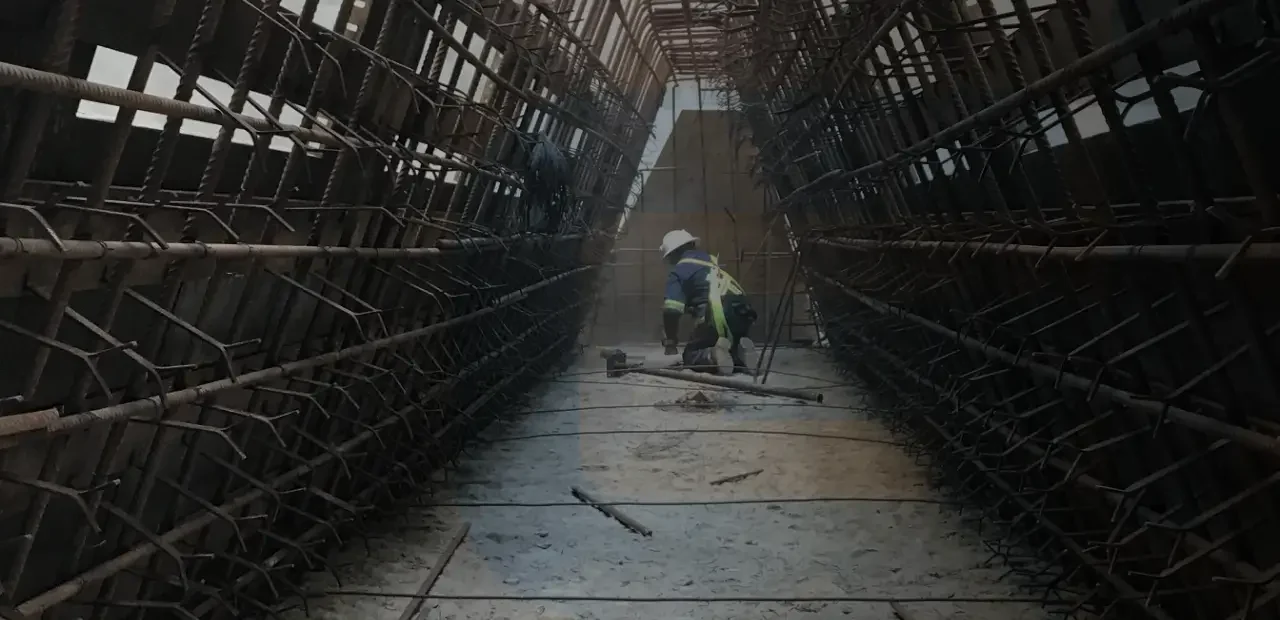
Geotechnical engineering plays a vital role across mining, civil, industrial and infrastructure projects. Learn how understanding ground conditions helps engineers design safer foundations, manage risk and deliver reliable, long-lasting infrastructure.
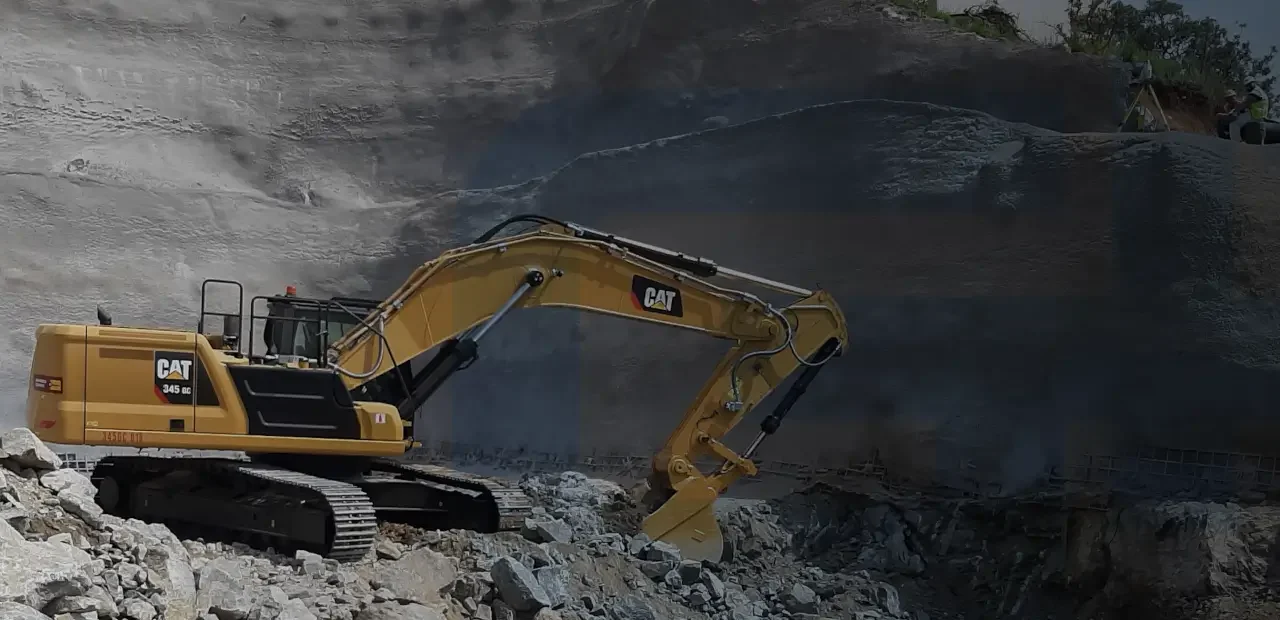
Every successful construction project starts with understanding the ground beneath it. Learn why soil conditions influence foundations, earthworks, stability and long-term project performance, and how early geotechnical investigations help reduce risk and avoid costly problems.
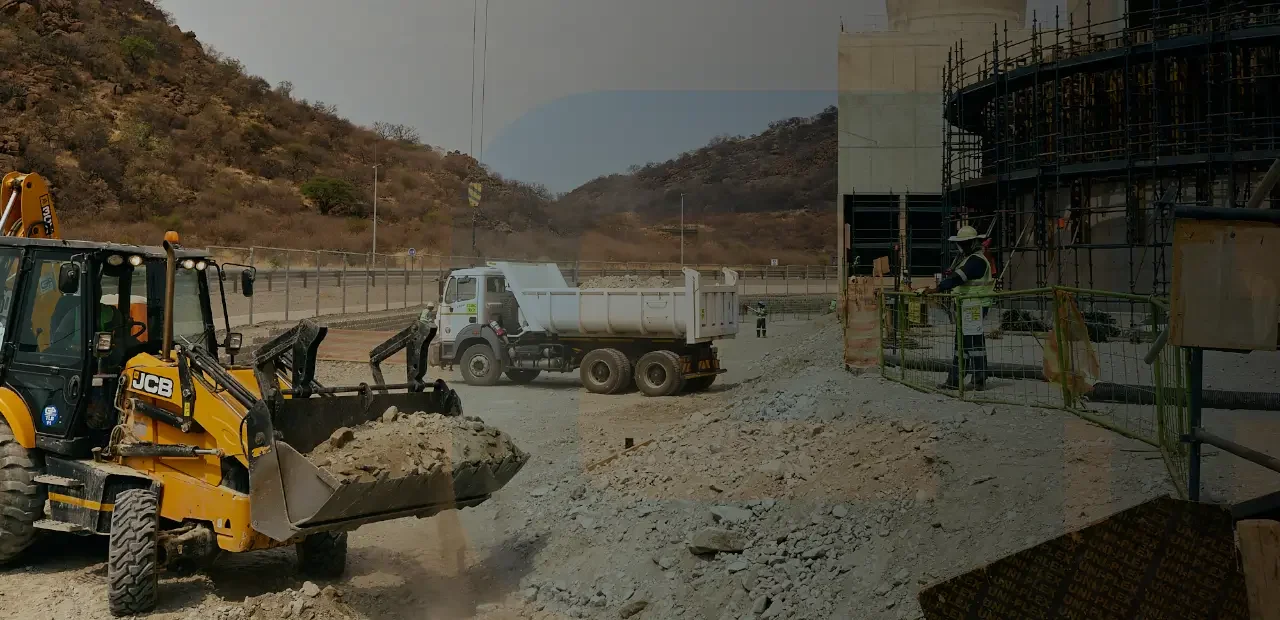
From roads and bridges to water infrastructure and industrial facilities, urban development relies on a thorough understanding of ground conditions. Explore how geotechnical engineering helps support safer, more efficient and more resilient infrastructure projects.
Geotechnical engineering projects often face challenges such as variable ground conditions, groundwater management, settlement and slope stability. Learn how these risks are identified and managed to support safer, more successful construction, mining and infrastructure projects.
Every structure, road, mine and infrastructure project relies on the ground beneath it. Soil mechanics and rock mechanics help engineers understand how that ground will behave under load, during excavation and over time. This guide breaks down the key differences between the two disciplines, their role in geotechnical engineering, and why understanding ground conditions is critical to safe, cost-effective project delivery.
From soil settlement and slope instability to groundwater challenges and sinkholes, geotechnical problems can significantly impact construction projects. Learn the most common issues, their causes, and how engineers overcome them.
What’s happening below the surface can make or break a project. Here’s how geotechnical engineering helps uncover hidden risks, guide smarter decisions, and keep construction on solid ground.
What does a geotechnical engineer actually do, and why are they so important in construction? This guide breaks down their role, responsibilities, and the impact they have on safe, stable projects.
Infrastructure construction delivers the essential systems that support industry, communities, and economic growth. This article explains what infrastructure construction involves, the types of projects it includes, and how large-scale infrastructure is planned, built, and delivered for long-term performance.